
Water Sustainability on a Global Scale
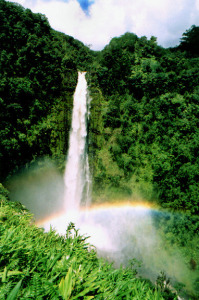
Water is the most abundant resource on the planet, yet less than one percent of the Earth’s freshwater supply is readily available to drink, according to the World Health Organization. The world’s population is quickly approaching 7 billion, making access to clean water that much more important. According to the World Health Organization and UNICEF, more than 3.5 million people die every year from water-related diseases and almost 900 million don’t have access to a safe water supply.
Water quality around the world is at risk due to human/industrial contamination and ill-conceived and biased political policies. Water quality is also at risk due to broad scale, severe climate events such as droughts, floods and storms. Contamination by animal contact – domesticated, feral and wild – is yet another high risk cause of poor water quality.
See information about the Water for Life Decade, 2005-2015, sponsored by the UN.
Learn about World Water Day and the water/energy connection.
Water Facts of Life
* At home, the average American uses between 100 and 175 gallons of water a day. That is less than 25 years ago, but it does not include the amount of water used to feed and clothe us. The water and sanitation crisis claims more lives through disease than any war claims through guns.
* Every 20 seconds, a child dies from a water-related disease.
* 1.1 billion people lack access to safe water, roughly one-sixth of the world’s population, and 2.4 billion or 40 per cent of the world’s people lack access to adequate sanitation services.







Leave a Reply